Species Overview
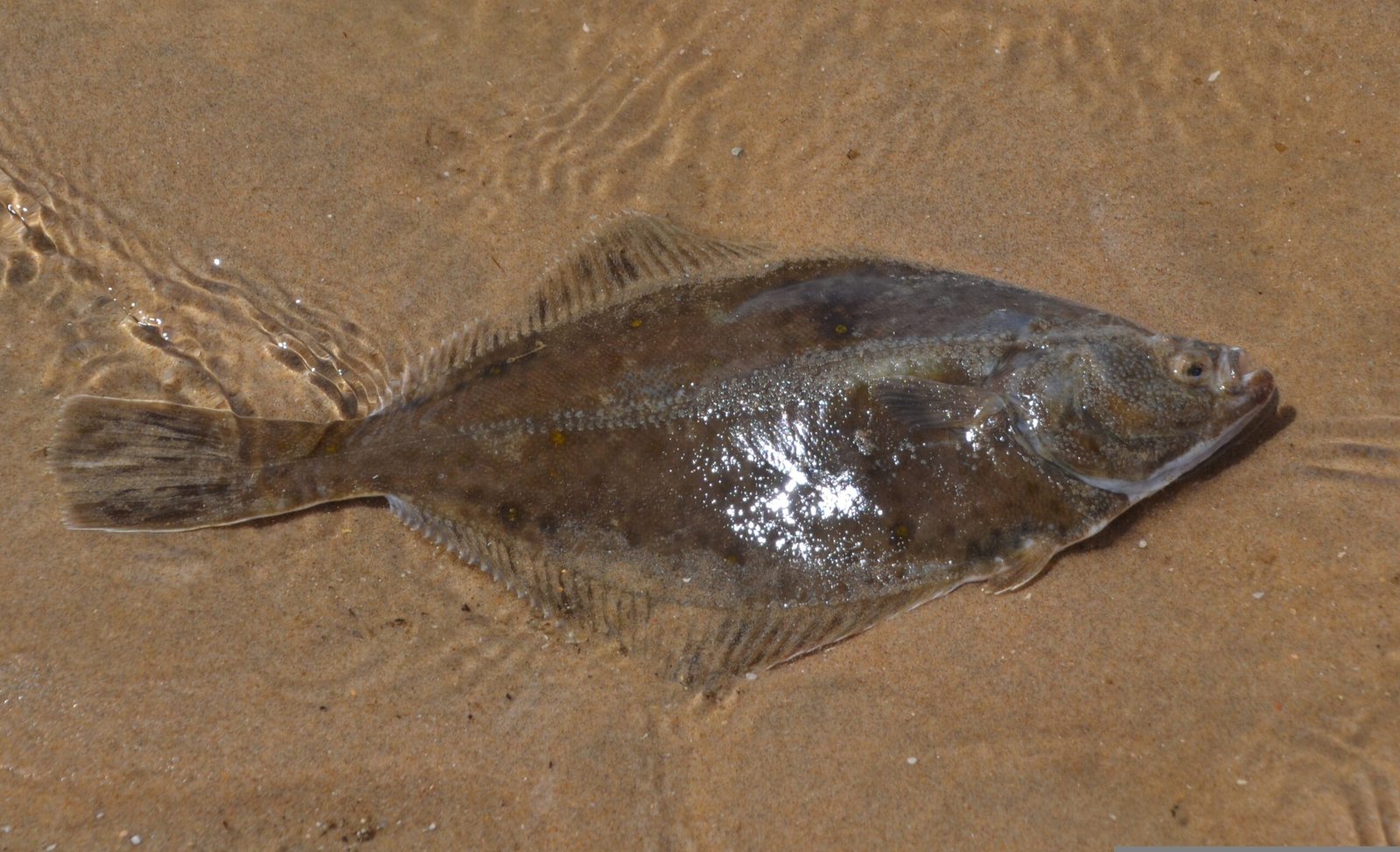
A deep‑water flatfish found from southern Labrador to Rhode Island — and known locally in New Jersey as fluke.
🧭 Fun Fact for New Jersey Anglers
While NOAA lists this species as American plaice, many New Jersey fishermen casually refer to it as fluke — though the fluke most people target locally is the summer flounder. The term “fluke” is often used broadly for flatfish in the region.
🎣 Techniques & Tips for Saltwater Fishing
🪱 Bait, Lures & Presentation
- Go‑to baits: Minnows, squid strips, spearing, and other small natural baits work well.
- Effective lures: Bucktails tipped with bait are a classic choice for enticing strikes.
- Best feeding windows: Dawn and dusk are prime times when fish are most active.
- Ideal water temps: Most species bite best when the water sits between 55° and 70°F.
🚤 Fishing From a Boat
🌊 Drifting
- Keep your rig moving naturally with the tide — that’s often when fish strike.
- If the drift becomes too fast, use a drift sock (anchor sock) to slow the boat and maintain better control.
🎣 Recommended Rod & Tackle
- Rod: Light to medium spinning or conventional rod, 6½ to 7 feet.
- Weight: A 2–4 oz sinker is usually enough to keep your bait near the bottom without overloading your setup.
🏖️ Fishing From Shoreline or Surf
🎣 Surfcasting Setup
- Rod: A surf rod between 9 and 15 feet helps you reach deeper water beyond the breakers.
- Sinkers: Depending on surf conditions and casting distance, use 8–12 oz sinkers to hold bottom.
🌊 About the Species
American plaice is a right‑eyed flatfish that lives along the continental shelf in the Northwest Atlantic. You’ll find them in deeper, cooler waters stretching from southern Labrador down to Rhode Island, including the Gulf of Maine and Georges Bank. In New Jersey, anglers often refer to this species simply as fluke, though it’s distinct from the summer flounder most local fishermen target.
🐠 Appearance
American plaice have a reddish‑brown upper side, a white underside, and a rounded tail. Their lateral line runs nearly straight along the body. Like other flatfish, they undergo a fascinating transformation: juveniles start with an eye on each side of the head, and as they grow, the left eye migrates to the right side before they settle on the ocean floor.
🧬 Life & Biology
- Can live more than 20 years
- Spawn near the seafloor; eggs float and hatch near the surface
- Juveniles settle to the bottom after metamorphosis
- Adults feed on bottom‑dwelling invertebrates such as brittle stars, sand dollars, worms, shrimp, and bivalves
📍 Where They Live
American plaice prefer deep, cold waters between 130 and 980 feet, settling on sandy, muddy, or fine‑gravel bottoms. Juveniles stay slightly shallower. They’re found throughout the Gulf of Maine, Georges Bank, and occasionally in bays and estuaries in Maine and Massachusetts.
🎣 Fishery & Management
American plaice are managed under the Northeast Multispecies Fishery Management Plan, which includes:
- Commercial and recreational permitting
- Size limits
- Seasonal and area closures
- Annual catch limits
- Habitat protections and gear restrictions
The stock is not overfished and not subject to overfishing, with rebuilding completed in 2019.
🛥️ Commercial Harvest
Most American plaice are caught using trawl gear, with some harvest from gillnets. In 2022, commercial landings totaled 1.5 million pounds, valued at $2.5 million.
🎣 Recreational Fishing
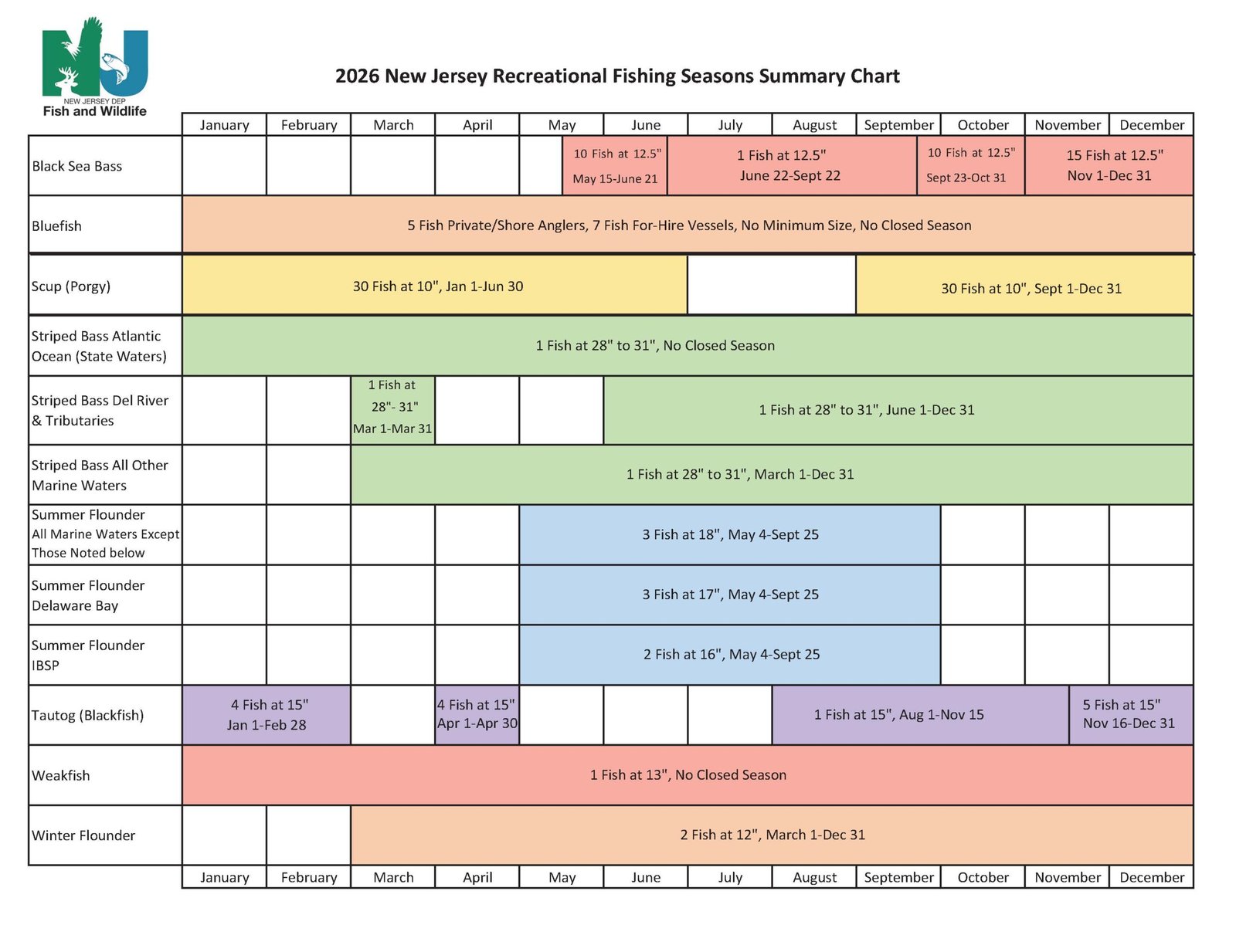
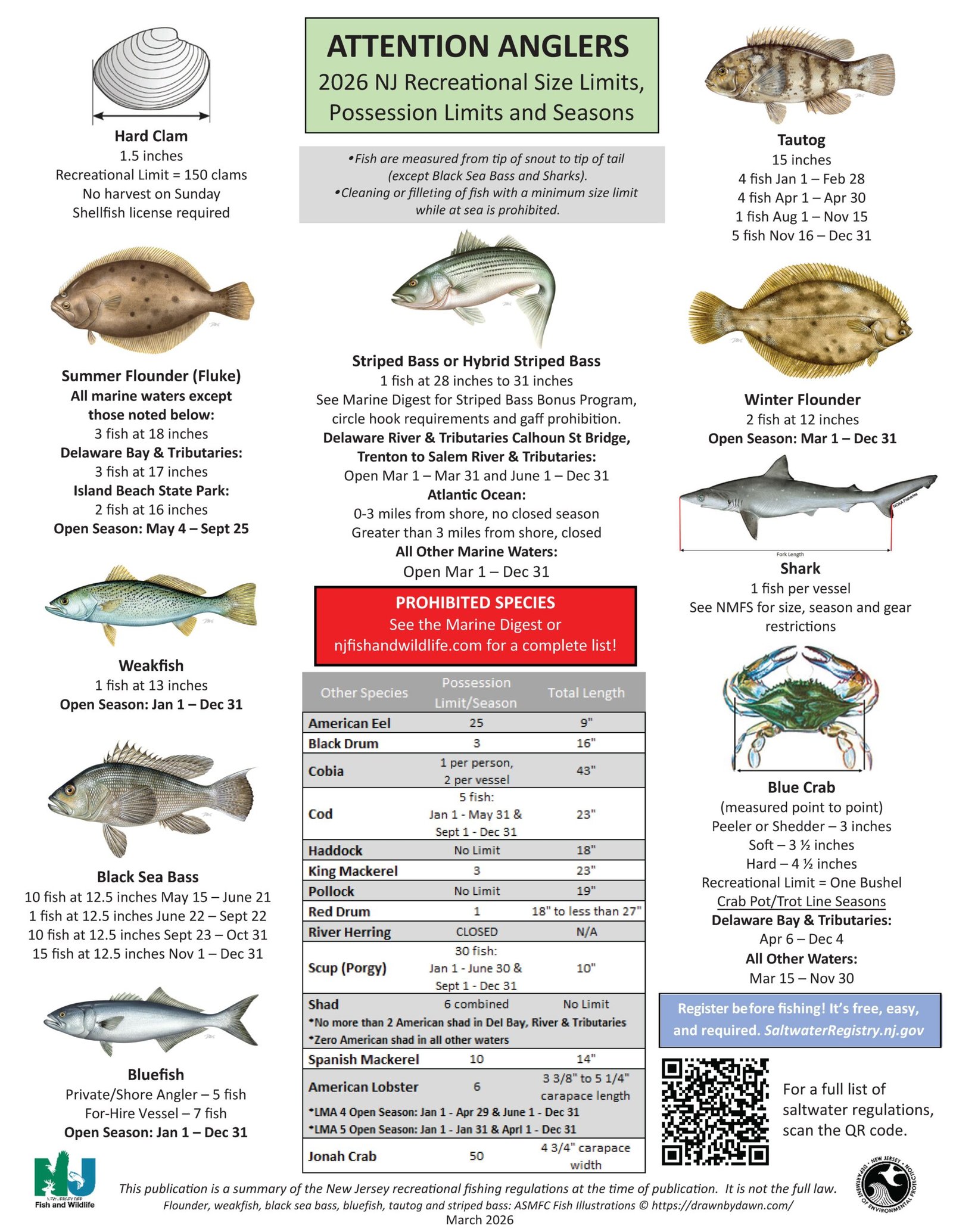
Recreational encounters are uncommon, but when caught, regulations include minimum size requirements.